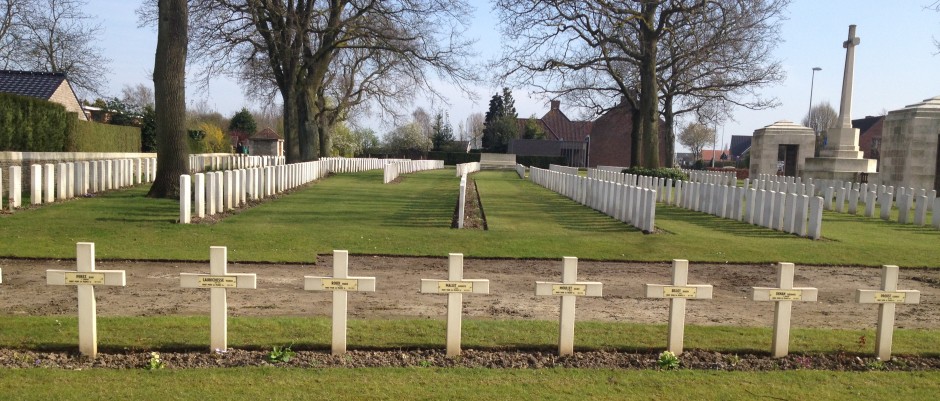
The Great War continues to be fought 96 years after it ended and – as with the French Revolution, the Tudors, the Norman Conquest and even the Romans in Britain – each generation and their politicians see it through the lens of their own time, preoccupations and preconceptions.
I cannot claim any unique insights, or to be free from preoccupations and prejudices of my own, but I do think it is a debate and discussion that matters as much to our own time as to history.
Now it is nearly the hundredth anniversary of the events that led to war in August 1914, each side has fired its opening barrage and major offensives are being planned. Discussions are mounted on the Today programme and vast numbers of books are being published.
Ever since, as a small boy, I found at my grandfather’s house three volumes of a contemporary part-work covering the first six months of the War and pored over them in every detail – the Battle of Mons, the Retreat to the Marne, the Miracle of Paris, the Race to the Sea, the First Battle of Ypres and the near extinction of the British Expeditionary Force – I have been fascinated by the memory of the Great War.
Each Remembrance Sunday I attended St Andrew’s Church in Norwich where a fast decreasing number of the “Old Contemptibles” paraded, marching in step with stiff backs. Who were they and why did this anniversary matter to them?
My parents let me see – at my insistence, but at far too young an age – the brilliant BBC Series The Great War which made a deep impression: how and why did men suffer like this?
As the WW1 publishing industry now moving into overdrive shows, this is a fascination shared by many, and having just returned from a visit to Ypres (Ieper), where the playing of Last Post at the Menin Gate was packed with all nationalities.
The question that is going to be replayed in many forms and will be gnawed over by historians, politicians and educators, and by people in pubs, wine bars and sitting rooms, in agonizing detail is the important but unanswerable one:
Was the First World War worth the sacrifice?
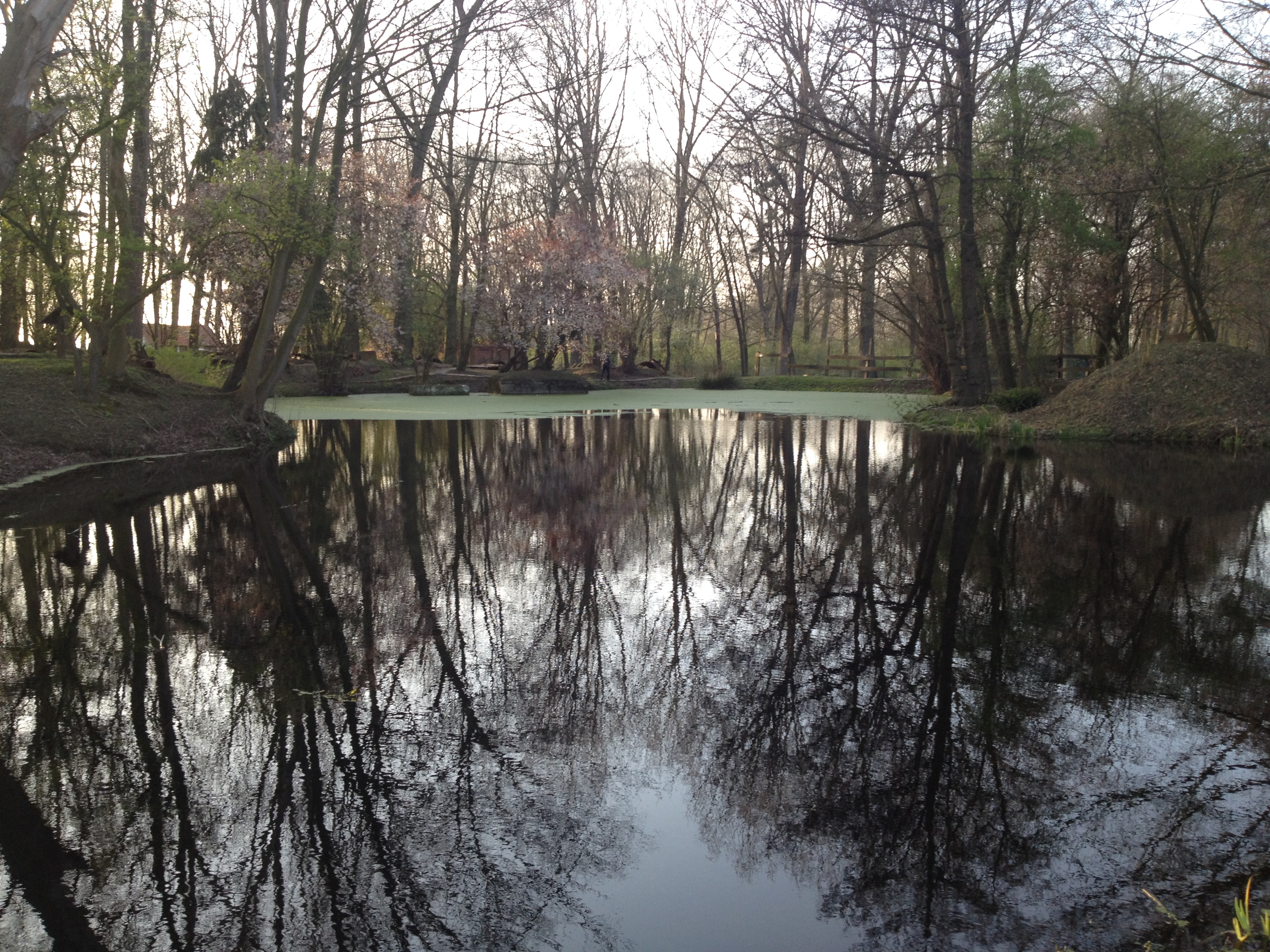
The Crater at Hooge on the Menin Road east of Ypres. The great beauty belies the fact that this was one of the bloodiest and most fought over corners of the Western Front!
 First World War Memorials
Recent Comments